
Live Interfaces
Reconcile new layouts and technical requirements with existing services whose condition, capacity and record accuracy could not be assumed.
Early-1990s technical broadcasting facility.
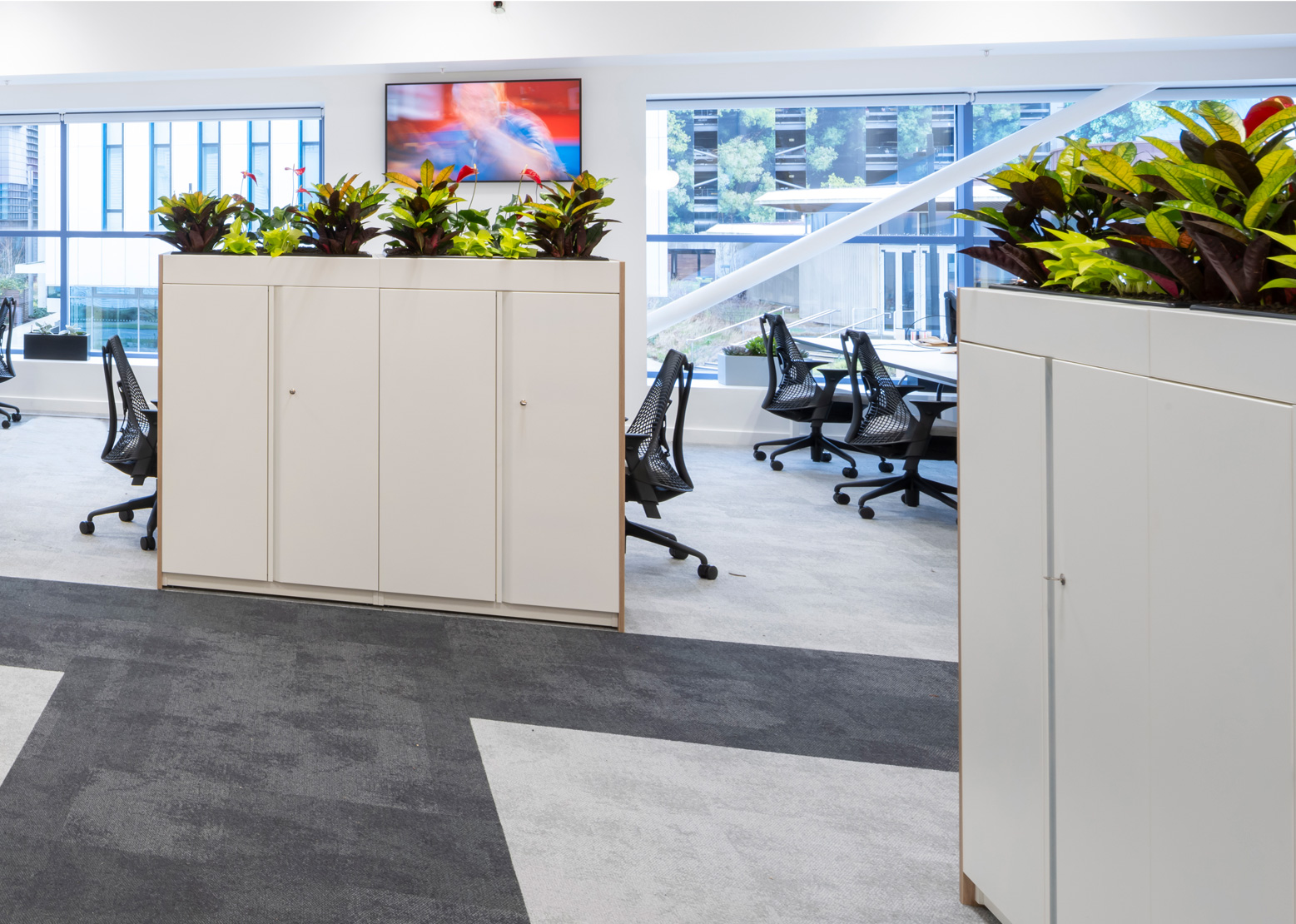
Ground and first-floor transformation.
MEP delivered by MCS.
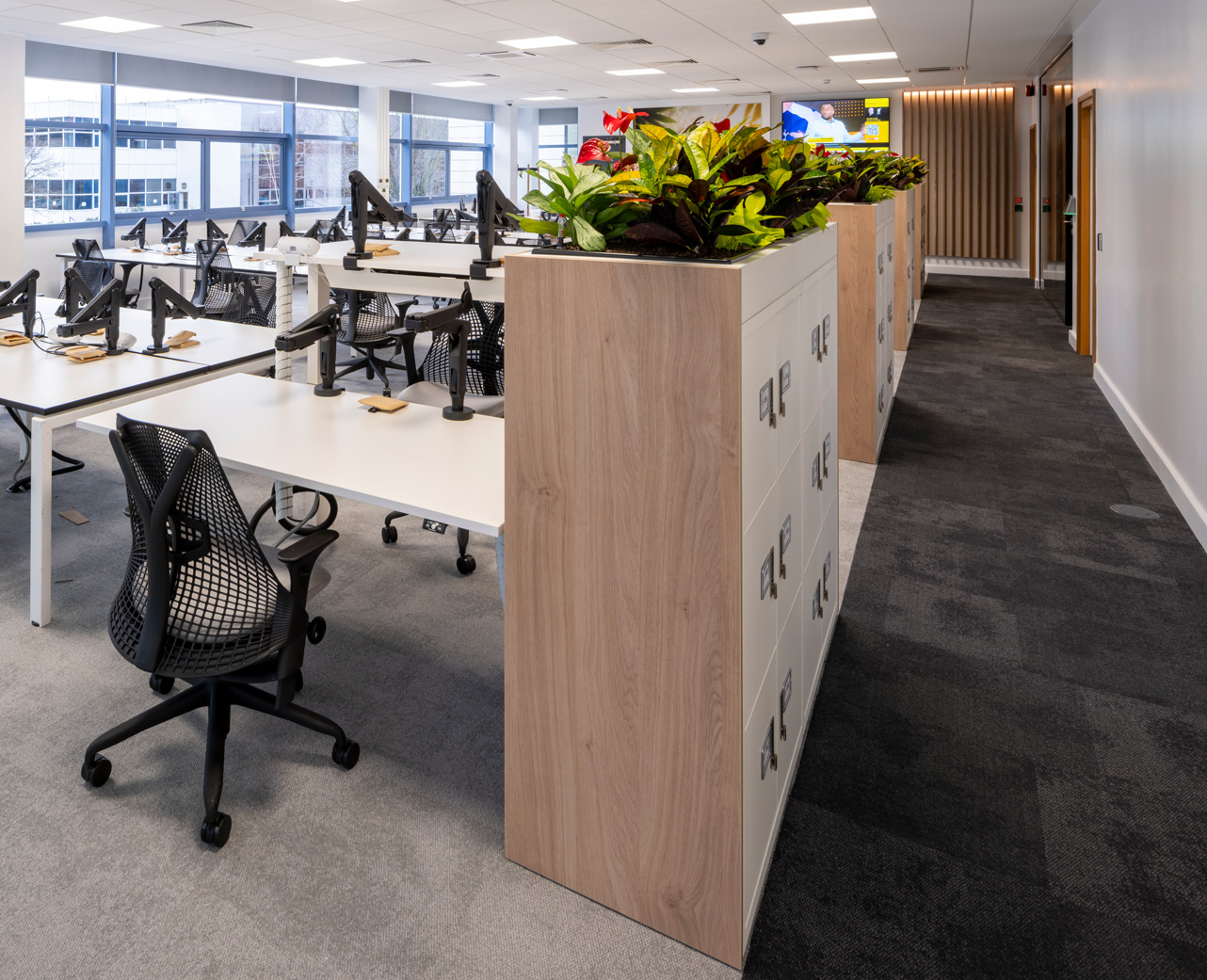
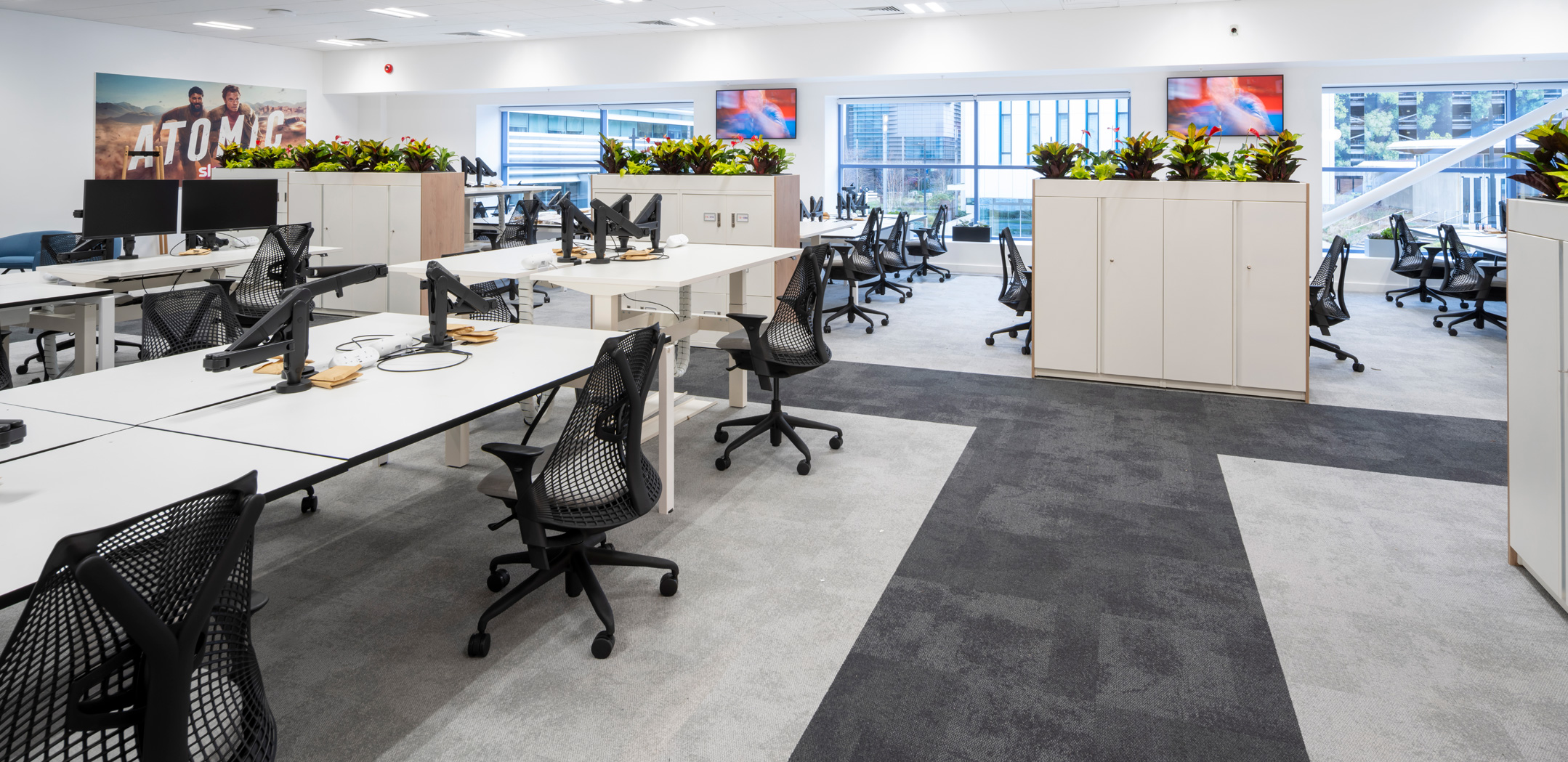
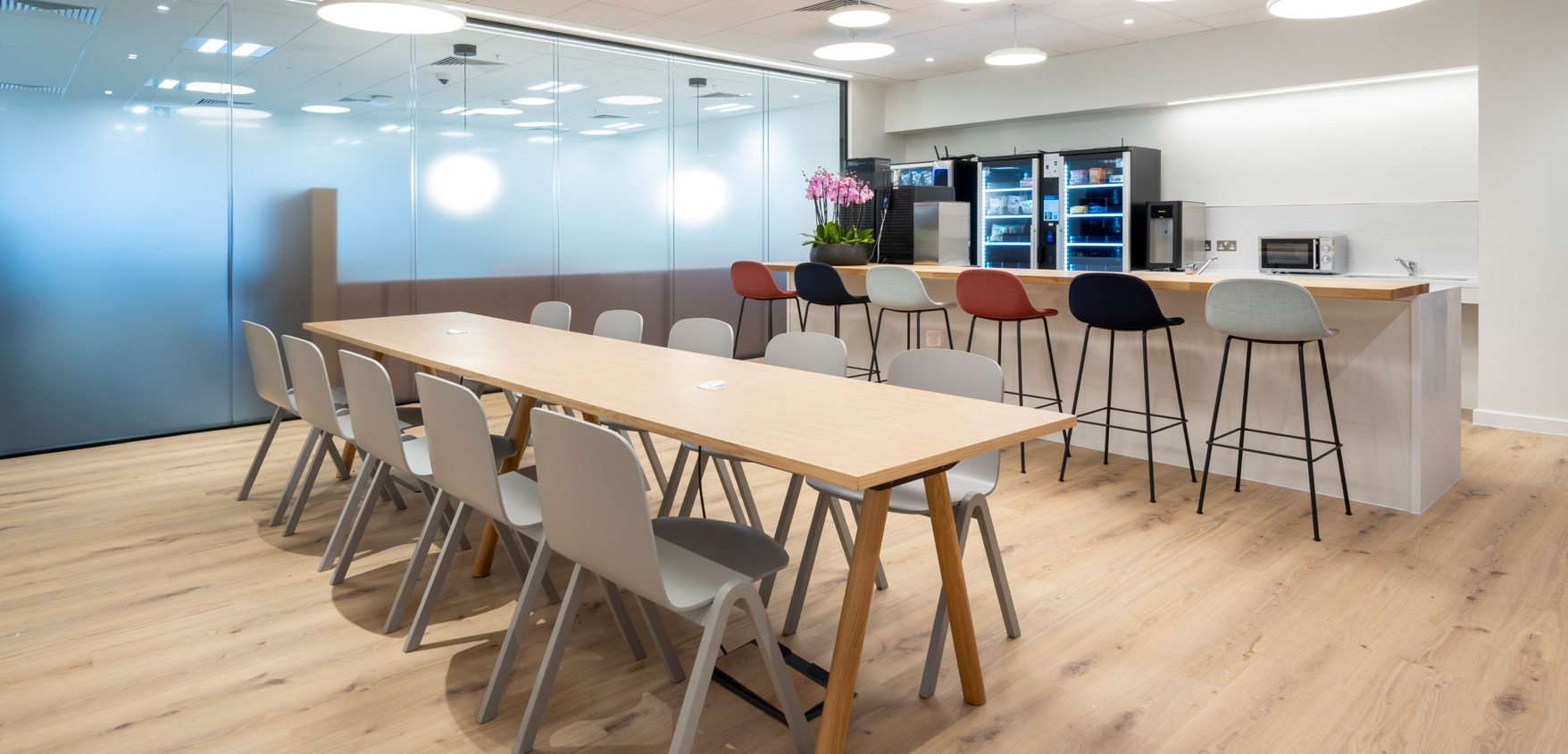
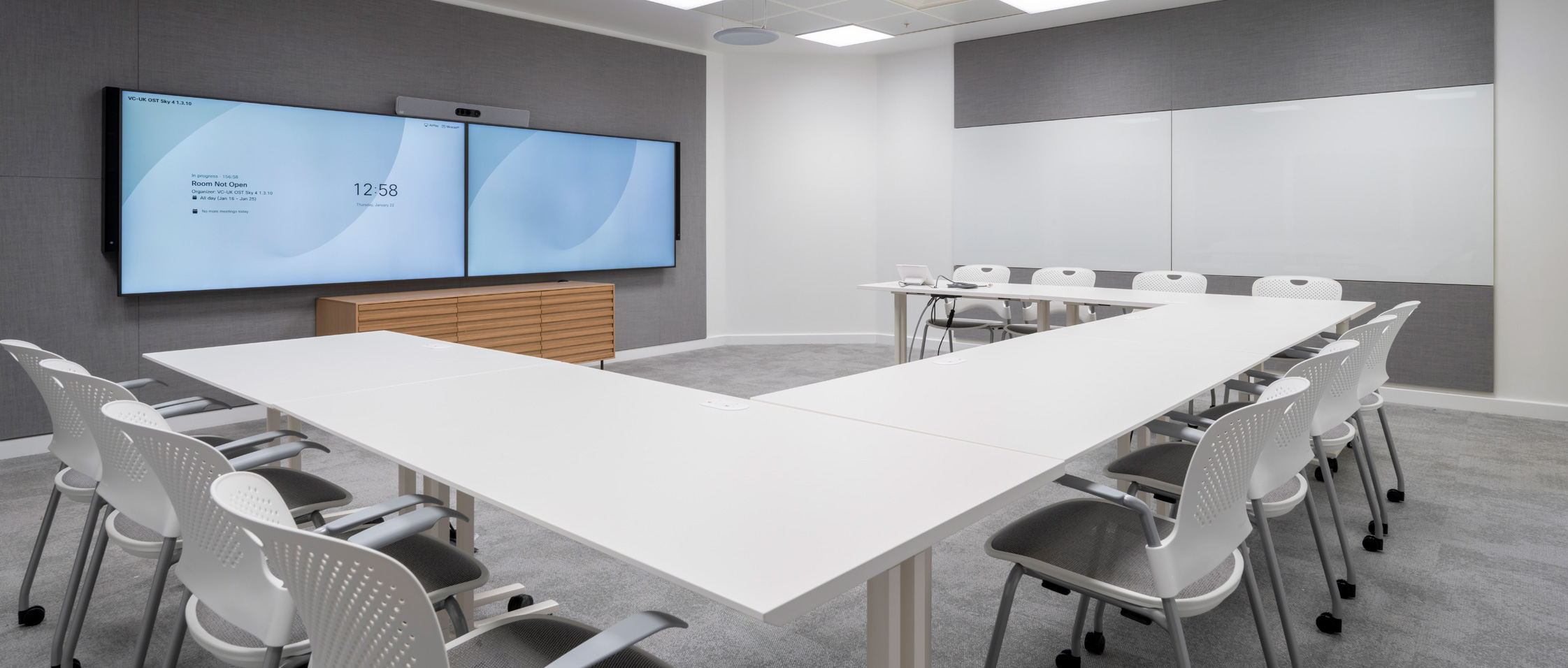
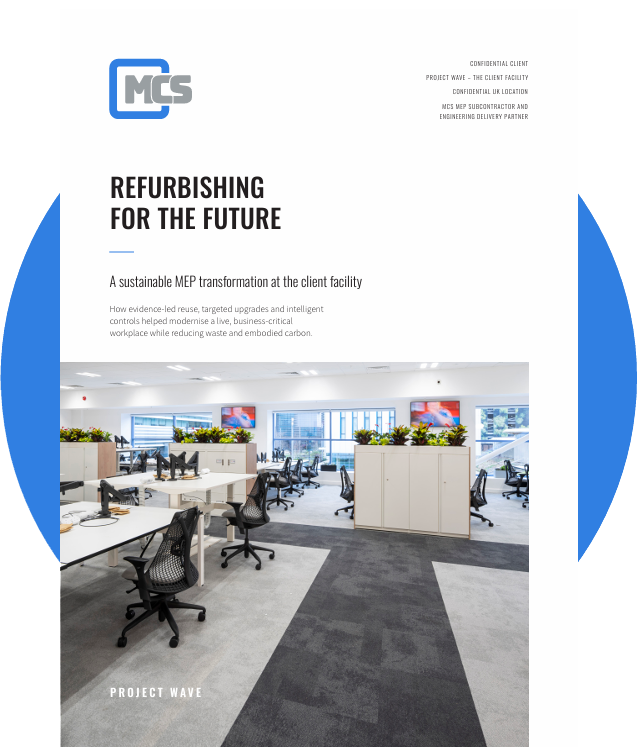
A live, business-critical technical facility transformed into modern accommodation for occupational health, contact-centre, digital, cyber and risk functions. (Air Handling Unit) to manage static pressure and prevent water ingress into the unit.
MCS acted as MEP subcontractor and engineering delivery partner, validating existing services, retaining useful assets and targeting upgrades where they added clear value.
Reconcile new layouts and technical requirements with existing services whose condition, capacity and record accuracy could not be assumed.

Deliver isolations, retained services and new installations safely while the wider facility remained operational and business critical.

Improve comfort, control and resilience without defaulting to wholesale replacement, overdesign or unnecessary capital intervention.
MCS used engineering evidence to preserve embedded value and focus investment only where performance required it.
Retained or refurbished five FCUs, 47 grilles and two AHUs, preserving 54 MEP assets and avoiding unnecessary replacement.
Rationalised technical demand by 8.75 kW and limited the net UPS increase to approximately 7.5 kW, avoiding wholesale central replacement.
Delivered targeted ventilation, VRF heat pumps, LED lighting, water services, life-safety modifications, controls and recommissioning.
Integrated DALI capability, occupancy detection, Casambi wireless control, BMS scheduling, leak detection and point-of-use hot water.
Compare records with installed condition, capacity and controls.
Reduce uncertainty and create confidence for safe reuse.
Keep safe, serviceable assets and infrastructure in use.
Preserve embedded value and avoid replacement carbon.
Use calculations to match plant, power and layouts to need.
Avoid overdesign, excess capacity and material demand.
Target efficient new systems only where performance requires.
Focus investment on comfort, control and resilience.
Test, commission and document retained and new systems.
Turn design intent into reliable performance and evidence.
Clear reuse, resource and efficiency outcomes with transparent evidence boundaries.

Heat recovery, VRF heat pumps, efficient LEDs, occupancy controls, BMS scheduling and recommissioning support lower operational demand. No measured post-occupancy saving is claimed.

Retaining 54 MEP assets, reusing suitable power infrastructure, returning pallets and reducing wrapping preserved resources and avoided unnecessary replacement.

Approximately 300 consolidated deliveries and an assumed 80% pallet return or reuse rate created a cautious, transparent supply-chain estimate.
Important: reuse, pallet, waste and operational figures use different evidence bases.
They are not combined into one overall project carbon saving.
The commercial, operational and environmental value created through refurbishment-first MEP delivery.

Evidence-led reuse retained 54 MEP assets and delivered quantified carbon benefit without assigning value to unverified items.

Surveys, calculations, condition checks, safe isolations and recommissioning protected continuity in a live technical workplace.

Wireless controls, adaptable zoning and retained underfloor systems support future workplace change with less disruptive intervention.

Demand rationalisation limited the net UPS increase, while leak detection and local hot water reduced infrastructure and operational risk.

Clear separation of verified, modelled and estimated outcomes gives the client a credible basis for reporting and future decisions.

ATesting, balancing, BMS checks, trend evidence and updated O&M information supported reliable handover and maintainability.
By validating first, retaining where safe, right-sizing new systems and documenting outcomes transparently, MCS delivered a lower-impact refurbishment without discarding the value already embedded in the building.
Validate first / retain where safe / right-size new systems / protect live operations / verify outcomes
The quantified reuse total is deliberately conservative. No carbon value is assigned to retained grilles, refurbished AHUs or floor panels. Project-wide waste is not claimed as an MCS-only outcome, and operational benefits remain unverified without before-and-after data.
Source basis: MCS surveys, calculations, delivery tracking, commissioning and project waste records, as summarised in the full Project Wave Sustainability Case Study.
Why not read the full case study at your leisure?